Commercial General Partner Liability Guide: Partnership Duties, Fiduciary Exposure, Indemnification, and Legal Risk
Commercial partnerships can provide businesses with access to capital, specialized expertise, new markets, and shared operational resources. However, the legal responsibilities of partners can differ substantially depending on the partnership structure, governing law, and terms of the partnership agreement.
A general partner may be responsible for managing business activities, making financial decisions, entering into contracts, supervising operations, and representing the partnership in dealings with third parties. In many traditional general partnerships, a general partner can also face personal liability for certain partnership debts and obligations. This exposure makes partnership governance and risk planning important considerations for business owners and investors.
Liability concerns can arise from unpaid creditors, contractual disputes, negligent acts, alleged breaches of fiduciary duty, regulatory violations, or disagreements among partners. Indemnification clauses, insurance arrangements, internal approval procedures, and clear contractual responsibilities can help manage these risks, although none automatically eliminates liability.
Understanding the distinction between a general partner's management responsibilities and potential personal exposure helps businesses structure partnerships more carefully and establish appropriate safeguards.
What Is Commercial General Partner Liability?
Commercial general partner liability refers to the legal and financial responsibility that may arise from a general partner's role in managing, representing, or participating in a partnership.
The precise extent of liability depends on the legal structure and applicable law. In a traditional general partnership, partners may have personal exposure to partnership obligations, including obligations arising from authorized business activities or, under applicable rules, the conduct of another partner.
A general partner in a limited partnership generally has management responsibilities and a different liability position from a limited partner, whose exposure is often restricted subject to applicable law and the circumstances of their involvement.
The term may also arise in private investment funds, real estate partnerships, joint ventures, professional practices, and other commercial arrangements. In these settings, the partnership agreement and related governing documents often define decision-making powers, duties, indemnification rights, and procedures for resolving disputes.
Businesses should distinguish between three related concepts:
Partnership liability: Obligations legally attributable to the partnership itself.
General partner liability: Potential responsibility of a partner for partnership obligations or their own conduct.
Personal misconduct liability: Exposure arising from a partner's own wrongful conduct, breach of duty, or other legally actionable behavior.
These categories can overlap, but they are not interchangeable. The outcome depends on the facts, contractual terms, and governing legal framework.
Core Responsibilities of a General Partner
A general partner commonly participates in the management and operation of the partnership. Their authority may arise from partnership legislation, the partnership agreement, delegated powers, or established business practices.
Typical responsibilities include the following.
Business management: Supervising daily operations, coordinating employees or contractors, and implementing agreed commercial plans.
Contractual authority: Negotiating or executing contracts within the partner's authority and ensuring that material commitments follow required approval procedures.
Financial oversight: Monitoring cash flow, maintaining appropriate accounting records, reviewing liabilities, and ensuring that financial information is reported accurately.
Partner communications: Providing relevant information to other partners and following agreed governance procedures.
Regulatory compliance: Ensuring that the partnership addresses applicable licensing, tax, reporting, employment, and industry-specific obligations.
Asset protection: Maintaining appropriate records, controlling access to partnership property, and preventing unauthorized use of partnership funds or assets.
A general partner's authority should be clearly documented. If partners have different responsibilities, written delegations and approval thresholds can help prevent misunderstandings about who may commit the business to a transaction.
Fiduciary Duties and Conflicts of Interest
Fiduciary duties are legal obligations that may require a partner to act loyally, exercise appropriate care, and avoid improper use of their position. The precise duties vary by jurisdiction and partnership type.
Duty of loyalty
A partner may be required to prioritize the partnership's legitimate interests in specified circumstances. Potential concerns include diverting a partnership opportunity, misusing confidential information, or receiving an undisclosed personal benefit from a partnership transaction.
For example, if a general partner directs a business opportunity belonging to the partnership toward a separate entity they control, other partners may challenge the decision depending on the applicable law and circumstances.
Duty of care
A general partner may be required to meet a legally defined standard of care when performing partnership responsibilities. The standard may differ across jurisdictions and may be affected by the partnership agreement, the nature of the decision, and the circumstances.
Poor documentation, unauthorized commitments, inadequate financial oversight, or reckless decisions can create disputes over whether the partner fulfilled their obligations.
Good faith and fair dealing
Applicable law or contractual provisions may impose duties relating to honest conduct and the exercise of contractual rights. The precise scope varies, and not every commercial disagreement constitutes a breach.
Managing conflicts of interest
A practical conflict-management process may include:
Requiring disclosure of material personal interests.
Recording the nature of a conflict and the affected transaction.
Obtaining approval through the procedure required by the partnership agreement and applicable law.
Maintaining evidence of the decision-making process.
Restricting access to sensitive information where appropriate.
Disclosure alone does not necessarily resolve a conflict. Some transactions may require informed consent, independent review, or additional legal safeguards.
Financial Obligations and Personal Liability Exposure
One of the most significant issues in partnership planning is whether a general partner can be held personally responsible for partnership debts.
In a traditional general partnership, the law may permit creditors to pursue partners personally for certain partnership obligations, subject to applicable rules and procedural requirements. Liability may extend beyond the capital originally contributed by a partner.
Potential sources of exposure include:
Commercial borrowing: Partnership loans, guarantees, or other financing arrangements may create obligations for which partners have legal exposure.
Supplier and customer contracts: Disputes over non-payment, performance failures, or contractual representations can result in claims against the partnership and, in certain circumstances, individual partners.
Lease obligations: Commercial property leases and equipment agreements can create substantial ongoing commitments.
Employment-related claims: Partnership operations may generate claims involving wages, workplace conduct, or statutory responsibilities, depending on the governing law.
Tax and regulatory matters: Certain laws may impose responsibility on partners or designated individuals for particular tax liabilities, filings, or regulatory breaches.
Tort claims: Negligence, misrepresentation, or other actionable conduct associated with partnership operations may create exposure under applicable law.
The actual allocation of responsibility can depend on when the obligation arose, the partner's status, the nature of the conduct, contractual arrangements, and the relevant legal rules.
Partners should not assume that an internal agreement automatically prevents an external creditor or claimant from pursuing a legally responsible party. An agreement may allocate responsibility among partners without changing the rights of third parties.
Indemnification Provisions in Partnership Agreements
Indemnification provisions specify circumstances in which a partner or another eligible party may be reimbursed for certain losses, expenses, claims, or liabilities.
These provisions are frequently important in commercial partnerships because they help allocate risk between the partnership and its partners.
Common elements include:
Scope of protection: Identifies the claims, losses, liabilities, and expenses that may qualify for indemnification.
Covered conduct: Defines whether protection applies to authorized business activities, good-faith decisions, or other specified conduct.
Exclusions: May exclude fraud, willful misconduct, certain breaches of duty, unauthorized transactions, or other defined circumstances.
Claims procedure: Establishes notice requirements, cooperation duties, document preservation, and procedures for handling a claim.
Control of defense: Specifies who may select legal counsel, manage the defense, or approve a settlement.
Payment and reimbursement: Sets out the process for determining and paying eligible amounts.
Financial limitations: May establish limits, reserves, or conditions affecting the partnership's ability to meet an indemnification obligation.
Indemnification should be drafted with the governing law in mind. Certain liabilities or forms of misconduct may not be indemnifiable, and contractual wording may not override statutory restrictions or public policy.
It is also important to distinguish indemnification from a release of liability. Indemnification may allocate the financial consequences of a claim between parties, but it does not necessarily prevent a third party or regulator from bringing a claim.
Insurance Options for General Partner Risk
Insurance can form part of a broader partnership risk-management strategy. The appropriate coverage depends on the partner's role, the business's activities, the partnership structure, and the risks the organization faces.
Professional liability insurance: May address covered claims alleging professional errors, omissions, or failures in the provision of professional services, subject to policy terms.
Management liability coverage: Certain policies may address specified claims involving management decisions, subject to definitions, insured-person provisions, exclusions, and other conditions.
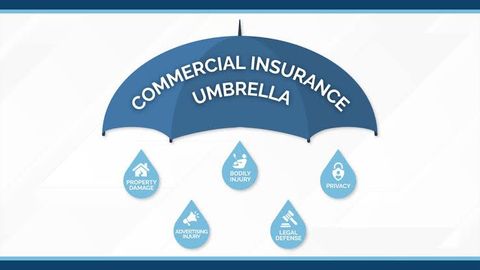
Commercial general liability insurance: May respond to specified third-party bodily injury, property damage, or other covered liability claims. It does not generally cover every contractual or financial obligation of a partnership.
Directors and officers insurance: May be relevant where a partner also serves in a covered director or officer capacity within an eligible entity. The policy's insured-person definitions and exclusions determine whether the role is covered.
Cyber insurance: May address certain covered losses or claims associated with cyber incidents, data breaches, or network security events.
Insurance policies can contain exclusions for contractual liability, intentional misconduct, prior known circumstances, certain professional activities, and other risks. A policy should therefore be reviewed against the partnership's actual exposure rather than selected by title alone.
Businesses should examine coverage limits, deductibles, defense costs, notification deadlines, retroactive dates where relevant, and the relationship between insurance proceeds and contractual indemnification rights.
Governance Controls and Partnership Risk Prevention
Effective governance can reduce disputes, clarify authority, and help partners demonstrate that material decisions were made through an appropriate process.
A partnership risk framework should address the following areas.
Written partnership agreement: Define ownership interests, management powers, capital contributions, profit allocation, voting rights, transfer restrictions, and procedures for withdrawal or dissolution.
Authority matrix: Specify which partners may enter into contracts, obtain financing, approve expenditure, or commit partnership assets.
Financial controls: Establish bank account authorization rules, expense approvals, accounting procedures, reconciliations, and periodic financial reporting.
Conflict-of-interest policy: Require disclosure and appropriate management of personal interests in partnership transactions.
Documentation standards: Retain contracts, meeting records, approvals, financial statements, material correspondence, and supporting evidence.
Compliance monitoring: Assign responsibility for tax filings, licensing, reporting deadlines, and other applicable obligations.
Dispute-resolution procedures: Define how internal disagreements should be escalated and whether mediation, arbitration, or court proceedings may be appropriate.
Exit and succession planning: Address partner retirement, death, incapacity, ownership transfers, valuation methods, and the treatment of outstanding obligations.
These measures should be reviewed when the business expands, adds partners, changes financing arrangements, or enters a new jurisdiction.
Partnership Liability in India and Other Jurisdictions
Partnership liability varies considerably across legal systems. Businesses should identify the legal form of the entity before assessing the responsibilities of its partners.
In India, a traditional partnership firm is governed principally by the Indian Partnership Act, 1932, together with other applicable laws. The Act contains provisions concerning the relationship between partners, their authority, and the firm's liability for certain acts and obligations.
A traditional partnership should not be confused with a limited liability partnership (LLP). An LLP is a distinct legal structure governed by the Limited Liability Partnership Act, 2008. Its liability framework differs from that of a conventional partnership, although a partner's own wrongful acts, fraud, or other legally relevant conduct may still create personal exposure under applicable law.
For businesses operating in the United States, the United Kingdom, or other jurisdictions, partnership legislation and rules governing fiduciary duties, creditor claims, indemnification, and professional liability may differ. The term “general partner” can also have different implications in limited partnerships and investment fund structures.
Before forming or restructuring a partnership, businesses should obtain advice on:
The proposed entity type and applicable governing law.
The extent of partner liability for partnership debts.
The authority of individual partners to bind the entity.
Enforceability of indemnification and limitation-of-liability provisions.
Tax treatment and reporting requirements.
The legal effect of guarantees and financing documents.
Insurance arrangements and exclusions.
Procedures for partner departure, disputes, and dissolution.
An internal agreement is an important governance document, but it should be evaluated alongside mandatory legislation and the rights of creditors, employees, customers, and other third parties.
Practical Checklist for Managing General Partner Liability
Organizations can use the following checklist to review their partnership risk framework:
Confirm the legal structure: Verify whether the business is a general partnership, limited partnership, LLP, or another entity type.
Review the partnership agreement: Check management authority, partner duties, indemnification, liability allocation, and dispute procedures.
Map financial commitments: Identify borrowing, leases, guarantees, supplier agreements, and other material obligations.
Establish approval controls: Set transaction limits and require appropriate authorization for significant commitments.
Document conflicts: Maintain records of disclosures, approvals, and the rationale for material decisions.
Strengthen accounting oversight: Reconcile accounts, review financial statements, and maintain reliable records.
Evaluate insurance: Compare potential exposures with actual policy wording, exclusions, and limits.
Review legal compliance: Track relevant tax, employment, licensing, and reporting obligations.
Prepare for disputes: Establish escalation procedures and preserve evidence relating to material transactions.
Update governance regularly: Reassess controls when ownership, operations, financing, or applicable laws change.
The checklist should be tailored to the size and complexity of the business. A partnership operating across several countries or managing substantial external capital may require more formal governance and risk oversight than a small local firm.
Tools and Resources
The following resources can help businesses organize and review partnership responsibilities.
Partnership agreement templates and legal drafting resources: Use as starting points for identifying common clauses, not as substitutes for jurisdiction-specific legal review.
Contract management platforms: Track obligations, renewal dates, guarantees, approvals, and dispute-related documentation.
Accounting and financial reporting systems: Maintain records of partnership assets, debts, expenses, and distributions.
Governance and compliance tools: Track filing dates, approval records, conflicts of interest, and internal policies.
Insurance policy documentation: Review coverage definitions, exclusions, indemnification conditions, and claims procedures.
Official legal resources in India: Consult the India Code repository for the Indian Partnership Act, 1932, and the Limited Liability Partnership Act, 2008.
Qualified legal and insurance professionals: Obtain advice on personal liability, indemnification enforceability, insurance gaps, and dispute-resolution strategies.
Resource selection should reflect the partnership's legal structure, business activities, jurisdiction, and exposure to third-party claims.
Frequently Asked Questions
1. Can a general partner be personally liable for business debts?
In a traditional general partnership, a partner may be personally liable for certain partnership obligations under applicable law. The scope of exposure depends on the jurisdiction, the type of obligation, the partner's role, and relevant contractual arrangements. Limited liability structures operate differently.
2. Does an indemnification clause eliminate personal liability?
No. Indemnification generally allocates certain financial consequences between the parties covered by the agreement. It may not prevent creditors, regulators, or other third parties from pursuing a legally responsible party. Its scope also depends on enforceability, exclusions, and the partnership's ability to pay.
3. What fiduciary duties may apply to a general partner?
Depending on the governing law, duties may include loyalty, appropriate care, disclosure of conflicts, and compliance with contractual obligations. Their exact scope varies by partnership type and jurisdiction.
4. Can insurance cover all general partner liabilities?
No. Insurance responds only to claims and losses that fall within the policy's coverage. Contractual obligations, intentional misconduct, certain breaches of duty, and other risks may be excluded or restricted. Businesses should review policy wording with qualified insurance professionals.
5. How can a partnership reduce legal disputes between partners?
A clear partnership agreement, documented decision-making authority, reliable financial reporting, conflict-of-interest procedures, defined dispute-resolution mechanisms, and regular legal reviews can reduce uncertainty. These measures cannot eliminate every dispute, but they can improve accountability and clarify each partner's rights and responsibilities.
Conclusion
Commercial general partner liability involves the legal and financial responsibilities associated with managing a partnership, meeting its obligations, and complying with applicable duties. Depending on the entity structure and governing law, a general partner may face exposure arising from partnership debts, contractual commitments, fiduciary disputes, or their own conduct.
Careful partnership agreements, clear authority limits, financial controls, conflict-management procedures, appropriate insurance, and legally reviewed indemnification provisions can help businesses manage these risks. The strongest approach begins by confirming the entity's legal structure and understanding which protections are enforceable under the applicable law.

Related Post...