Digital Marketing for Business: Explore SEO, Advertising and Customer Growth
Digital marketing has become an important part of how businesses attract customers, build brand awareness and compete in online markets. Consumers increasingly use search engines, social media platforms, websites, video content and online reviews when researching products, comparing alternatives and making decisions.
For businesses, this creates opportunities to reach audiences beyond their immediate geographical areas. A local retailer can attract nearby customers through search and social media, while a technology company can generate enquiries from businesses across different countries.
Digital marketing combines several activities, including search engine optimisation (SEO), paid advertising, social media campaigns, content development, email communication and performance analysis.
These channels serve different purposes. SEO helps businesses become discoverable through organic search, paid advertising provides access to targeted audiences, and content marketing helps build trust by answering customer questions.
A successful digital marketing strategy connects these activities with clear business objectives. Instead of focusing only on website traffic or social media followers, organisations should measure meaningful outcomes such as qualified enquiries, customer acquisition, conversion rates, repeat engagement and revenue.
Why Digital Marketing Matters for Businesses
Digital marketing gives businesses multiple ways to communicate with potential customers and understand their interests.
Some important benefits include:
Greater online visibility: Businesses can improve their presence across search engines, social networks and digital platforms.
Targeted audience reach: Advertising platforms allow campaigns to focus on selected locations, interests, demographics and customer intent, subject to platform policies.
Lead generation: Websites, landing pages and advertising campaigns can help generate enquiries from prospective customers.
Measurable performance: Analytics tools provide information about traffic, engagement, conversions and campaign performance.
Customer relationships: Email, social media and messaging channels support ongoing communication.
Market expansion: Online campaigns can help businesses reach customers outside their existing markets.
Brand credibility: Useful content, consistent communication and genuine customer feedback can strengthen brand recognition.
Digital marketing does not guarantee sales or profitability. Results depend on market demand, competition, campaign quality, website experience, pricing, customer trust and the effectiveness of the overall strategy.
Major Digital Marketing Channels for Business
1. Search Engine Optimisation (SEO)
SEO involves improving a website so that its pages can be discovered and understood by search engines.
When potential customers search for information, products or business solutions, relevant and useful pages may appear in organic search results.
Important SEO activities include:
Keyword and search-intent research.
Creating useful and original website content.
Writing descriptive page titles and meta descriptions.
Improving website navigation and internal links.
Optimising mobile usability and page performance.
Organising content with clear headings.
Building relevant references and authoritative links.
Monitoring indexing and search performance.
SEO generally takes time. A new website may need sustained content development and technical improvements before meaningful organic visibility develops.
2. Search Engine Advertising
Search advertising allows businesses to display paid advertisements when users search for relevant terms.
Google Ads is a widely used platform for search campaigns. Businesses can structure campaigns around products, services, locations and customer requirements.
Common applications include:
Lead generation for professional businesses.
Online sales campaigns.
Local business promotion.
Brand awareness.
Product and category advertising.
Customer acquisition for subscription platforms.
Search advertising can reach people with active search intent, but campaign performance depends on keyword selection, competition, bidding strategy, landing-page quality and conversion tracking.
Businesses should also monitor irrelevant search terms and apply appropriate negative keywords.
3. Social Media Marketing
Social media platforms help businesses build awareness, communicate with audiences and distribute content.
Common platforms include:
Instagram for visual content, product discovery and creator partnerships.
Facebook for community engagement, advertising and customer communication.
LinkedIn for B2B marketing, professional audiences and business development.
YouTube for educational videos, product demonstrations and brand storytelling.
Pinterest for visual discovery and inspiration.
WhatsApp Business for customer communication and updates.
Businesses should select platforms according to their target audience rather than attempting to maintain an active presence everywhere.
4. Content Marketing
Content marketing involves publishing useful information that addresses customer questions and interests.
Examples include:
Educational articles and guides.
Product comparison pages.
Industry reports.
Case studies.
Tutorials and demonstrations.
Video explainers.
Frequently asked questions.
Downloadable business resources.
Good content can support SEO, social media distribution and lead generation. It should provide genuine value instead of repeating keywords without meaningful information.
5. Email Marketing
Email marketing allows businesses to communicate with customers and prospective customers through planned campaigns.
Common applications include:
Welcome messages.
Product announcements.
Educational newsletters.
Customer updates.
Event notifications.
Renewal reminders.
Post-purchase communication.
A well-organised email strategy should use appropriate consent, relevant segmentation and clear unsubscribe mechanisms.
6. Influencer and Creator Marketing
Businesses can work with content creators who have relevant audiences and subject knowledge.
Possible activities include:
Product demonstrations.
Educational collaborations.
Sponsored videos.
Brand awareness campaigns.
Expert discussions.
Customer experience content.
The selection of creators should consider audience relevance, credibility, engagement quality and disclosure requirements.
SEO vs Paid Advertising: Understanding the Difference
SEO and paid advertising can support the same business objectives, but they work differently.
| Comparison | SEO | Paid advertising |
|---|---|---|
| Visibility | Organic search results | Sponsored placements |
| Traffic source | Unpaid search clicks | Paid campaign traffic |
| Time to results | Usually gradual | Can begin after campaign approval and launch |
| Budget approach | Content, technical and operational investment | Advertising budget and campaign management |
| Long-term value | Can build lasting organic visibility | Traffic generally depends on continued campaigns |
| Measurement | Rankings, clicks, organic conversions | Impressions, clicks, conversions and campaign return |
| Best use | Sustainable search visibility | Targeted reach and demand capture |
For many businesses, combining SEO and paid advertising is more effective than relying entirely on one channel.
SEO can support long-term discoverability, while paid campaigns can help test demand, reach selected audiences and generate traffic more quickly.
Popular Digital Marketing Tools
Businesses use different platforms for campaign management, content development, analytics and customer communication.
| Tool | Main purpose | Business application |
|---|---|---|
| Google Analytics 4 | Website and app analytics | Understanding traffic and user activity |
| Google Search Console | Organic search monitoring | Tracking indexing, search queries and website performance |
| Google Ads | Paid search and advertising | Lead generation and online advertising |
| Google Keyword Planner | Keyword research | Exploring search terms and advertising estimates |
| Meta Ads Manager | Facebook and Instagram advertising | Audience targeting and campaign management |
| Semrush | SEO and competitor research | Keyword analysis and website audits |
| Ahrefs | SEO research | Backlink analysis and keyword opportunities |
| Mailchimp | Email marketing | Campaigns and customer communication |
| HubSpot | CRM and marketing management | Lead management and marketing workflows |
| Canva | Creative development | Social media graphics and marketing materials |
| Google Business Profile | Local business visibility | Managing business information in Google Search and Maps |
| Looker Studio | Reporting and dashboards | Combining marketing performance information |
Features, pricing, integrations and availability can change. Businesses should check the current documentation and data-handling terms before choosing a platform.
Building a Digital Marketing Strategy
An effective strategy begins with understanding the business, its customers and its growth objectives.
Step 1: Define Business Goals
Identify what the marketing activity should achieve.
Possible objectives include:
Increasing qualified website traffic.
Generating enquiries.
Improving online sales.
Increasing brand awareness.
Expanding into new locations.
Improving repeat customer engagement.
Building a stronger organic search presence.
Goals should be specific and measurable.
Step 2: Identify the Target Audience
Understand who is most likely to be interested in the business.
Consider:
Age groups and relevant demographics.
Location and language.
Customer interests.
Buying or research behaviour.
Common problems and requirements.
Preferred communication channels.
B2B businesses may need to consider company size, industry, professional responsibilities and purchasing authority.
Step 3: Research Keywords and Competitors
Keyword research helps identify the language people use when searching online.
Businesses can classify search terms into different categories:
| Keyword category | Example | Search intent |
|---|---|---|
| Informational | How does business accounting work? | Learning |
| Commercial | Best accounting software for businesses | Comparing alternatives |
| Transactional | Accounting software subscription | Taking action |
| Local | Digital marketing agency in Delhi | Finding a nearby business |
| Brand-related | Company or product name | Navigating to a known brand |
Competitor research can help businesses understand content gaps, audience positioning and advertising approaches. Competitor activity should be used for strategic insight rather than copied.
Step 4: Choose the Right Marketing Channels
Select channels based on customer behaviour and business objectives.
For example:
A professional consulting firm may prioritise SEO, LinkedIn and search advertising.
An e-commerce business may focus on Google Shopping, social media advertising and email.
A local restaurant may benefit from local SEO, Google Business Profile and social platforms.
A B2B software company may use educational content, webinars, search campaigns and CRM-based lead nurturing.
Step 5: Develop Useful Content and Creative Assets
Create content that answers customer questions and explains what makes the business relevant.
Use a mixture of:
Website landing pages.
Informational articles.
Short-form videos.
Product demonstrations.
Customer case studies.
Social media posts.
Email newsletters.
Each piece should have a clear purpose and an appropriate next step for the audience.
Step 6: Launch and Monitor Campaigns
Start with controlled campaigns and monitor performance.
Review audience quality, search terms, landing-page engagement, conversion tracking and campaign expenditure.
Avoid making major decisions based on a small amount of early data.
Step 7: Optimise Continuously
Use performance information to improve targeting, content, creative assets, website experience and conversion processes.
Regular optimisation helps businesses understand which activities are contributing to meaningful growth.
Digital Advertising Platforms for Customer Acquisition
Paid digital advertising can help businesses reach audiences through different online environments.
Google Ads
Google Ads supports several advertising formats, including:
Search campaigns.
Display campaigns.
Shopping campaigns.
Performance Max.
Demand Gen.
YouTube advertising.
App campaigns.
Search advertising is particularly useful when customers are actively researching a relevant product or business solution.
Performance Max can use Google's advertising inventory and automated optimisation capabilities to pursue campaign objectives across supported channels.
Meta Ads
Meta Ads Manager supports advertising across Facebook, Instagram, Messenger and other eligible placements.
Common campaign objectives include:
Brand awareness.
Website traffic.
Lead generation.
Engagement.
Online sales.
App promotion.
Creative quality, audience relevance, landing-page experience and accurate conversion measurement are important for campaign performance.
LinkedIn Advertising
LinkedIn can be useful for B2B businesses targeting professional audiences.
Campaigns can be structured around factors such as company characteristics, professional roles and industry, subject to platform availability and policy restrictions.
YouTube Advertising
YouTube supports video-based campaigns that can introduce brands, explain products and reach audiences through visual storytelling.
Educational videos, demonstrations and customer-focused content can support both awareness and consideration.
Customer Growth Strategies for Businesses
Digital marketing should focus on attracting suitable customers and building long-term relationships.
Improve the Website Experience
A website should communicate the business's purpose clearly and make it easy for visitors to find relevant information.
Important elements include:
Mobile-friendly design.
Clear navigation.
Relevant landing pages.
Fast and reliable page loading.
Accurate contact information.
Trustworthy business details.
Clear calls to action.
A well-designed website can help turn relevant visitors into enquiries or customers.
Build a Strong Content Strategy
Businesses should create content around real customer questions, common challenges and decision-making requirements.
A useful content library can support organic search visibility and give sales teams resources to share with prospective customers.
Use Lead Nurturing
Not every visitor is ready to become a customer immediately.
Businesses can use consent-based email communication, educational content and relevant follow-ups to maintain relationships with interested prospects.
Improve Customer Retention
Existing customers can be an important source of continued business.
Useful activities include customer education, product updates, personalised communication and responsive support.
Strengthen Local Search Visibility
Local businesses should maintain accurate business information, relevant location pages and a properly managed Google Business Profile.
Genuine customer reviews can also help prospective customers understand the business's reputation.
Test Different Marketing Approaches
Businesses can compare headlines, landing pages, campaign audiences and creative formats through controlled experiments.
Testing should change a limited number of variables at a time so that results are easier to interpret.
Measuring Digital Marketing Performance
Marketing teams should use performance indicators that connect online activity with business outcomes.
| Metric | What it measures |
|---|---|
| Impressions | Number of times content or advertisements are displayed |
| Click-through rate (CTR) | Percentage of impressions resulting in clicks |
| Cost per click (CPC) | Average advertising expenditure per click |
| Conversion rate | Percentage of visitors completing a defined action |
| Cost per lead (CPL) | Advertising expenditure relative to leads generated |
| Customer acquisition cost (CAC) | Average expenditure required to acquire a customer |
| Return on ad spend (ROAS) | Revenue attributed to advertising relative to ad expenditure |
| Organic traffic | Visits from unpaid search results |
| Customer lifetime value (CLV) | Estimated value generated over a customer relationship |
| Retention rate | Percentage of customers who continue their relationship over a defined period |
For example, a campaign with a high CTR may attract many visitors but still produce few qualified enquiries. Businesses should therefore evaluate traffic quality, conversion rates and customer value together.
Attribution should also be interpreted carefully because customers may interact with multiple channels before making a decision.
Recent Digital Marketing Developments in India
Digital marketing platforms are increasingly integrating artificial intelligence, automated campaign management and new ways for customers to discover businesses.
1. Google Marketing Live 2026 — 9 July 2026
Google announced new advertising capabilities for Indian businesses, including Business Agent for Leads, YouTube BrandStack and Ask Advisor. The announcements also covered AI-powered advertising developments and new measurement capabilities. These changes reflect a wider shift towards AI-assisted campaign planning, customer interaction and performance analysis.
2. Google Ads platform updates — 2026
Google's India advertising announcements throughout 2026 included developments in Demand Gen, Performance Max, AI Max for Search and creative production tools. Businesses should review these updates when planning campaigns and assess whether new capabilities suit their objectives and measurement requirements.
3. Digital advertising market expansion — February 2026
Sensor Tower's State of Digital Advertising in India 2026 report estimated that India's digital advertising expenditure exceeded US$4.2 billion in 2025 and projected further growth in 2026. The report identified shopping as a major advertising category and highlighted the importance of social platforms in digital reach.
4. Updated influencer advertising guidelines — 17 September 2026
The Advertising Standards Council of India published updated digital influencer advertising guidance covering material connections, prominent advertising disclosures and certain uses of synthetic or AI-generated content. Businesses working with creators should review the applicable disclosure requirements before launching campaigns.
These developments show why digital marketing strategies need regular review. Platform features, advertising formats, consumer behaviour and disclosure expectations can change.
Laws and Advertising Compliance in India
Businesses conducting digital marketing in India should consider applicable consumer protection, data privacy and advertising requirements.
1. Consumer Protection Act, 2019
The Consumer Protection Act provides the framework for consumer rights and protection against misleading advertisements and unfair trade practices.
Businesses should ensure that advertising claims are accurate, supportable and not misleading.
2. Consumer Protection (E-Commerce) Rules, 2020
Businesses operating covered e-commerce platforms should review requirements concerning disclosures, consumer information, grievance handling and other applicable obligations.
3. Digital Personal Data Protection Act, 2023
Businesses using personal data for digital marketing should assess their obligations under the DPDP Act.
This is relevant to customer databases, lead forms, analytics systems, marketing automation and targeted communication.
4. Digital Personal Data Protection Rules, 2025
The DPDP Rules were notified on 14 November 2025 and provide implementation details through a phased commencement framework. Businesses should verify the provisions and dates applicable to their activities.
5. ASCI Advertising Code and Influencer Guidelines
The Advertising Standards Council of India provides self-regulatory advertising standards. Its digital influencer guidance addresses disclosure of material connections, including paid collaborations and other incentives.
Sponsored content should be clearly identified where disclosure is required. Businesses should also ensure that endorsements and promotional claims do not mislead audiences.
6. TRAI Commercial Communication Requirements
Businesses conducting promotional communication through SMS and voice channels should review applicable Telecom Regulatory Authority of India requirements, including commercial communication and consent-related rules.
7. Sector-Specific Advertising Requirements
Financial products, healthcare, insurance, education and other regulated categories may have additional advertising restrictions. Businesses should review relevant regulator requirements before publishing promotional material.
Tools and Resources for Digital Marketing
The following resources can help businesses develop and manage their marketing activities:
Google Skillshop: Training resources for Google Ads and related marketing products.
Google Search Central: Official SEO documentation and search guidance.
Google Analytics Academy and documentation: Resources for understanding website and campaign measurement.
Google Search Console: Organic search performance and indexing information.
Meta Blueprint: Training resources for Facebook and Instagram advertising.
LinkedIn Marketing Solutions: B2B marketing guidance and campaign resources.
ASCI: Advertising standards and influencer disclosure guidance in India.
MeitY: Official information about digital policies and data protection.
HubSpot Academy: Learning resources for CRM, inbound marketing and lead management.
Businesses should consult official documentation for current features, advertising policies and regulatory requirements.
Frequently Asked Questions
1. What is digital marketing for business?
Digital marketing for business involves using online channels such as search engines, social media, websites, email and digital advertising platforms to attract customers, build brand awareness and generate enquiries or sales.
2. Which digital marketing strategy is best for small businesses?
The appropriate strategy depends on the business and its customers. Local businesses may prioritise local SEO and social media, while B2B companies may focus on search advertising, LinkedIn and educational content. A combination of channels is often useful.
3. Is SEO better than Google Ads?
SEO supports organic search visibility over time, while Google Ads provides paid advertising placements. SEO may be useful for sustainable discoverability, whereas paid campaigns can help reach audiences with specific search intent. Businesses can use both.
4. How can businesses measure digital marketing success?
Businesses can track website traffic, qualified leads, conversion rates, customer acquisition expenditure, ROAS, customer retention and revenue. Metrics should be evaluated according to the business objective.
5. How much should a business invest in digital marketing?
There is no universal marketing budget. The appropriate amount depends on business objectives, competition, audience size, campaign economics and available resources. Businesses should establish a controlled budget and evaluate results before increasing expenditure.
Conclusion
Digital marketing gives businesses multiple ways to improve online visibility, communicate with customers and develop new growth opportunities. SEO, search advertising, social media, content marketing, email campaigns and analytics each contribute to different stages of the customer journey.
The strongest strategy begins with clear objectives, a well-understood target audience and suitable marketing channels. Businesses should develop useful content, maintain an effective website, measure campaign performance and improve their approach using reliable data.
As digital platforms continue to introduce AI-assisted advertising, new discovery formats and more advanced measurement capabilities, businesses will need to adapt while maintaining responsible data practices and advertising transparency.
A consistent, customer-focused digital marketing strategy can help organisations build stronger relationships, generate qualified enquiries and support sustainable business growth.

Related Post...

Business Insurance: Discover Coverage Types, Policy Features and Protection Options
Updated: November 06, 2026
Read More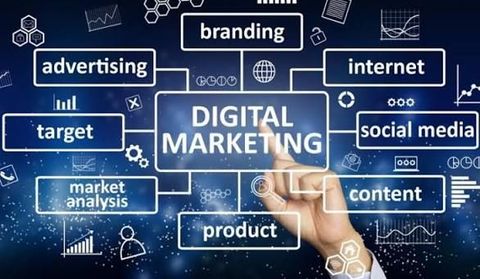
Digital Marketing for Business: Explore SEO, Advertising and Customer Growth
Updated: November 06, 2026
Read More
Business Automation: Software Tools, Workflows and Growth Strategies
Updated: November 06, 2026
Read More