Trust Administration Guide: Trustee Duties, Estate Assets, Beneficiary Rules, and Legal Information
Trust administration is the process of managing and distributing assets held in a trust according to the trust document and applicable law.
A trustee may be responsible for identifying trust assets, maintaining records, communicating with beneficiaries, managing property, handling expenses, preparing required tax information, and making distributions according to the governing terms.
The trustee's responsibilities depend on the type of trust, the trust document, applicable state law, the assets involved, and the circumstances of the beneficiaries.
Why Trust Administration Matters
A properly administered trust can help organize assets and establish procedures for managing or distributing property.
Trust administration may involve:
Identifying trust assets
Reviewing the trust document
Protecting and managing property
Maintaining financial records
Communicating with beneficiaries
Paying appropriate expenses
Preparing tax documentation
Making authorized distributions
Maintaining supporting records
Coordinating professional assistance
Trust administration can become more complex when a trust contains real estate, business interests, investment accounts, multiple beneficiaries, or assets located in different jurisdictions.
What Is a Trustee?
A trustee is the person or organization responsible for administering trust property according to the trust document and applicable law.
Depending on the arrangement, a trustee may be:
An individual
A family member
A professional fiduciary
A financial institution
A corporate trustee
Multiple co-trustees
The trustee generally acts in a fiduciary capacity, meaning the trustee must follow applicable fiduciary duties and administer the trust for the purposes established by the governing document.
Common Trustee Duties
Trustee responsibilities vary, but commonly include several important areas.
Follow the Trust Document
The trust document generally provides the primary instructions for administration.
The trustee may need to determine:
Who the beneficiaries are
Which assets are held by the trust
When distributions may occur
What conditions apply
What powers the trustee has
How expenses should be handled
How property should be managed
If a provision is unclear, legal guidance may be appropriate before taking significant action.
Identify and Protect Trust Assets
The trustee may need to locate and document assets belonging to the trust.
These can include:
Bank accounts
Investment accounts
Real estate
Business interests
Personal property
Insurance-related interests
Intellectual property
Other financial assets
The trustee should maintain appropriate records showing ownership, account information, values, and relevant transactions.
Maintain Accurate Records
Recordkeeping is an important part of trust administration.
Records may include:
Bank statements
Investment statements
Property documents
Receipts
Expense records
Distribution records
Tax documents
Valuation information
Trustee communications
Beneficiary communications
Good records can help demonstrate how trust property was managed and how distributions were calculated.
Trustee Fiduciary Duties
Trustees can have fiduciary obligations under the trust document and applicable law.
Depending on the jurisdiction, these may include duties involving:
Loyalty
Prudence
Impartiality
Good-faith administration
Appropriate recordkeeping
Proper management of trust property
A trustee should generally avoid using trust property for personal purposes unless authorized under the governing arrangement and applicable law.
The precise scope of fiduciary duties varies by jurisdiction and trust structure.
Beneficiary Rules
Beneficiaries are the people or entities entitled to receive benefits from the trust under its terms.
A trust may have:
Current beneficiaries
Remainder beneficiaries
Contingent beneficiaries
Multiple beneficiary classes
The trust document may specify when and how beneficiaries receive distributions.
For example, distributions may depend on:
A beneficiary reaching a specified age
Educational expenses
Medical needs
Specific financial conditions
Trustee discretion
A particular date or event
The trustee should follow the applicable trust terms rather than making distributions based solely on informal requests.
Trustee and Beneficiary Communication
Communication requirements can vary by jurisdiction and trust document.
Depending on the circumstances, beneficiaries may be entitled to certain information concerning trust administration.
Trustees may need to communicate information regarding:
Trust administration
Asset management
Distributions
Financial activity
Changes affecting the trust
Relevant tax information
The appropriate level and timing of disclosure depends on applicable law and the trust document.
Trust Assets and Estate Assets
Trust assets and estate assets are not always the same.
Some assets may be owned by a trust before a person's death, while other assets may become part of an estate and later be transferred to a trust or beneficiaries.
The trustee may therefore need to coordinate with:
Executors
Personal representatives
Attorneys
Accountants
Financial institutions
Property professionals
The exact relationship depends on how the estate and trust were structured.
Revocable and Irrevocable Trusts
Trust administration can differ depending on whether a trust is revocable or irrevocable.
Revocable Trusts
A revocable trust can generally be changed or revoked by the person who created it, subject to the terms and applicable law.
During the creator's lifetime, administration may be relatively different from the process that occurs after the creator's death.
Irrevocable Trusts
An irrevocable trust generally has more restrictions on modification or revocation.
Its administration may involve additional considerations concerning:
Trustee authority
Beneficiary rights
Tax treatment
Asset ownership
Distribution provisions
The exact rules depend on the trust document and applicable law.
Trust Distributions
A trustee may distribute trust assets according to the conditions established by the trust.
Distributions can involve:
Cash
Investment assets
Real estate
Business interests
Personal property
Income
Principal
Before making a distribution, trustees may need to review the trust terms, beneficiary status, available assets, tax considerations, and applicable administrative requirements.
Real Estate Held in a Trust
Real estate can create additional administrative responsibilities.
A trustee may need to address:
Property taxes
Insurance
Maintenance
Rental arrangements
Mortgage obligations
Property records
Valuation
Repairs
Sale or transfer decisions
Property-specific decisions should be evaluated according to the trust document and applicable law.
Business Interests Held in a Trust
A trust may hold ownership interests in a company or other business.
Administration can then involve:
Ownership records
Partnership agreements
Shareholder agreements
Buy-sell provisions
Voting rights
Distributions
Business valuations
Transfer restrictions
The trustee should review the governing business documents before transferring or managing a business interest.
Trust Taxes and Financial Records
Trusts can have tax-reporting obligations depending on the type of trust, assets, income, distributions, and applicable tax rules.
Administration may involve:
Income records
Investment statements
Expense records
Distribution records
Tax forms
Asset valuations
Professional accounting records
Tax treatment can vary substantially between different trust structures.
Trustees should consult appropriately qualified tax professionals when preparing or reviewing trust-related tax matters.
Trustee Compensation and Expenses
Some trusts permit trustees to receive compensation or reimbursement for appropriate expenses.
Potential administrative expenses may include:
Accounting expenses
Legal expenses
Property expenses
Investment-management expenses
Tax-related expenses
Recordkeeping expenses
Insurance expenses
The trust document and applicable law determine whether and how these expenses may be paid from trust property.
Trust Administration Checklist
A trustee can use a structured checklist to help organize administration:
Locate the current trust document
Confirm trustee authority
Identify all trust assets
Review beneficiary information
Secure trust property
Establish appropriate financial records
Review outstanding obligations
Document income and expenses
Review applicable tax requirements
Evaluate distribution provisions
Maintain beneficiary communications
Review real estate or business interests
Document major trustee decisions
Preserve supporting records
Obtain professional guidance when appropriate
Common Trust Administration Challenges
Trust administration can become difficult when:
Trust documents are unclear
Assets were never properly transferred into the trust
Beneficiary information is outdated
Multiple beneficiaries disagree
Property values are disputed
Business interests are involved
Records are incomplete
Tax matters are complicated
Trustees and beneficiaries disagree about distributions
Early identification of these issues can help reduce administrative delays and confusion.
Recent Developments in Trust Administration
Trust administration increasingly involves digital financial accounts, electronic records, online investment platforms, digital assets, and electronic communications.
Trustees may need to understand how digital accounts are accessed, documented, transferred, or preserved.
Estate and trust planning also continues to be affected by changes in federal and state tax rules, trust legislation, court decisions, and fiduciary standards.
Because these rules can change, trustees should rely on current legal and tax guidance when making significant decisions.
Tools and Resources
Useful resources for trust administration include:
Trust documents
Asset inventories
Beneficiary records
Bank and investment statements
Property records
Business ownership documents
Distribution records
Tax records
Trustee decision logs
Accounting systems
Estate-planning attorneys
Trust attorneys
Qualified tax professionals
Financial professionals
Frequently Asked Questions
What is trust administration?
Trust administration is the process of managing trust property and carrying out the instructions contained in the trust document and applicable law.
What are the main duties of a trustee?
Common duties include following the trust document, managing trust property, maintaining records, communicating as required, making authorized distributions, and complying with applicable fiduciary obligations.
Can a trustee distribute trust assets whenever they want?
Not necessarily. Distribution authority depends on the trust document, applicable law, beneficiary rights, and any conditions governing the distribution.
What is the difference between a revocable and irrevocable trust?
A revocable trust can generally be changed or revoked under specified circumstances, while an irrevocable trust generally has greater restrictions on modification or revocation. The precise legal treatment depends on the trust and applicable law.
Do trusts have tax obligations?
Some trusts have tax-reporting or tax-payment obligations depending on their structure, income, assets, distributions, and applicable tax rules. Qualified tax guidance may be appropriate.
Conclusion
Trust administration combines fiduciary responsibilities, asset management, beneficiary rules, recordkeeping, distributions, and legal and tax considerations.
A structured administration process can help trustees identify trust assets, maintain accurate records, communicate appropriately with beneficiaries, and follow the governing document.
Because trust rules vary by jurisdiction and trust structure, significant decisions should be based on the actual trust document and current professional guidance.

Related Post...

Trust Administration Guide: Trustee Duties, Estate Assets, Beneficiary Rules, and Legal Information
Updated: October 05, 2026
Read More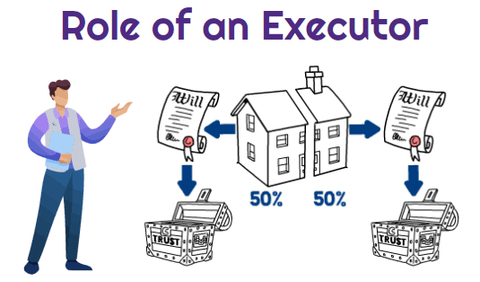
Estate Executor Guide: Probate Duties, Asset Management, Legal Documents, and Practical Tips
Updated: October 05, 2026
Read More