Business Succession Planning Guide: Ownership Transfer, Leadership Changes, Family Businesses, and Strategic Insights
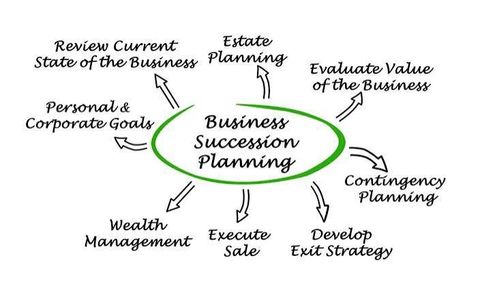
Business succession planning is the process of preparing for future changes in business ownership, leadership, management responsibilities, or control.
Succession can occur because of retirement, a planned ownership transfer, a sale, an unexpected departure, disability, death, or another major change affecting the people responsible for the business.
A succession plan can help an organization prepare for these changes before they become urgent.
Planning may involve:
Ownership transfer
Leadership transition
Family-business governance
Business valuation
Buy-sell arrangements
Estate planning
Tax considerations
Management development
Financing
Key-person planning
Corporate governance
Business continuity
The appropriate strategy depends on the business structure, ownership arrangements, family relationships, financial position, industry, and applicable laws.
Why Business Succession Planning Matters
A business can face significant disruption when ownership or leadership changes unexpectedly.
A structured succession plan can help address:
Who will lead the business
Who may receive or acquire ownership
How ownership will be valued
How a transfer may be financed
How decision-making authority will change
How key employees will be retained
How customers and suppliers will be affected
How family relationships will be managed
How legal and tax requirements will be addressed
How operations will continue during the transition
Succession planning can also provide greater clarity when multiple family members, partners, shareholders, or potential successors are involved.
Common Business Succession Scenarios
Family Business Succession
A family-owned business may transition to the next generation or another family member.
Potential issues include:
Family expectations
Leadership qualifications
Ownership percentages
Voting rights
Compensation
Management responsibilities
Estate planning
Governance
Sibling or relative disputes
Family relationships and business relationships can overlap, making advance planning particularly important.
Management Succession
An owner may transfer leadership responsibilities to an existing executive or management team while retaining ownership for a period of time.
This approach can provide an opportunity for gradual leadership development and operational transition.
Employee or Management Buyout
In some circumstances, employees or members of management may become owners through an agreed transaction structure.
The arrangement may involve financing, valuation, ownership percentages, governance, and transition responsibilities.
Sale to an Outside Party
An owner may eventually transfer the business to another company, investor, or individual.
A planned external transaction may require preparation of financial records, contracts, intellectual-property information, operational data, and other due-diligence materials.
Unplanned Succession
Succession can also become necessary because of an unexpected death, disability, resignation, or other event.
A contingency plan can identify interim leadership, decision-making authority, ownership procedures, and critical contacts.
Ownership Transfer Planning
Ownership transfer should be considered separately from day-to-day management succession.
A business may have one person managing operations while ownership is held by several shareholders or family members.
Planning can address:
Ownership percentages
Transfer restrictions
Voting rights
Valuation procedures
Purchase rights
Transfer events
Financing arrangements
Estate planning
Insurance arrangements
Tax considerations
Buy-sell agreements can be particularly relevant when ownership is shared among partners or family members.
Business Valuation
Valuation can be an important part of succession planning.
Potential valuation approaches include:
Income approach
Considers expected future economic benefits or cash flows.
Market approach
Considers comparable businesses or transactions.
Asset approach
Considers business assets and liabilities.
The appropriate approach depends on the business, valuation purpose, available information, ownership interest, and applicable professional standards.
Valuation should also consider factors such as:
Revenue
Profitability
Cash flow
Debt
Assets
Customer concentration
Intellectual property
Market conditions
Management dependence
Growth expectations
A valuation prepared for succession planning may differ from a valuation prepared for another purpose.
Leadership Transition
Leadership succession involves preparing individuals to assume important management responsibilities.
A leadership plan can identify:
Current leadership roles
Critical responsibilities
Potential successors
Required skills
Training requirements
Decision-making authority
Transition timelines
Interim leadership
Knowledge-transfer procedures
Succession does not necessarily require an immediate change in management.
A gradual transition can allow the successor to gain operational knowledge while the current leader transfers responsibilities.
Key-Person Risk
Some businesses depend heavily on one owner, executive, salesperson, technical specialist, or other individual.
Key-person dependency can create operational risk if that individual becomes unavailable.
A succession plan can reduce this dependency by documenting:
Critical processes
Important relationships
Customer information
Supplier relationships
Financial responsibilities
Technology access
Decision-making procedures
Operational knowledge
Knowledge transfer should be treated as an ongoing business process rather than something that begins only when a transition is imminent.
Family Business Governance
Family businesses may benefit from clearly separating family relationships from business governance.
Governance arrangements can address:
Ownership
Board participation
Management roles
Family employment
Compensation
Voting rights
Dividend or distribution policies
Conflict resolution
Future ownership transfers
Some family businesses establish family councils, shareholder agreements, advisory boards, or other governance mechanisms.
The appropriate structure depends on the organization's size, ownership, family relationships, and legal structure.
Buy-Sell Agreements
A buy-sell agreement can establish procedures for transferring ownership interests when specified events occur.
Triggering events may include:
Retirement
Death
Disability
Voluntary departure
Divorce
Bankruptcy
Dispute
Proposed sale to an outside party
A buy-sell agreement may address:
Who can purchase the ownership interest
How the interest will be valued
Payment terms
Transfer restrictions
Funding arrangements
Approval requirements
Dispute procedures
The agreement should be coordinated with the company's governing documents and applicable law.
Estate and Tax Planning
Succession planning can intersect with personal estate planning.
Potential considerations include:
Ownership interests
Trusts
Wills
Beneficiary designations
Gift planning
Estate taxes
Income taxes
Transfer taxes
Charitable planning
Tax treatment depends on the transaction structure, entity type, ownership arrangement, jurisdiction, and individual circumstances.
Because tax rules can change, current professional guidance should be obtained before implementing a transfer strategy.
Financing an Ownership Transfer
A succession transaction may require financing.
Potential funding approaches can include:
Business cash flow
Personal assets
Commercial financing
Seller financing
Insurance proceeds where appropriate
External investment
Structured payment arrangements
Financing terms can affect both the departing owner's financial outcome and the successor's ability to operate the business.
The financial structure should therefore be evaluated alongside valuation, cash flow, debt obligations, and business continuity.
Legal and Regulatory Considerations
Succession planning can involve several areas of law and regulation.
Depending on the situation, these may include:
Corporate law
Partnership law
Estate law
Tax law
Employment law
Securities requirements
Contract law
Licensing requirements
Industry-specific regulation
Ownership transfers may also require review of customer contracts, leases, financing agreements, licenses, permits, and other documents containing assignment or change-of-control provisions.
Insurance and Succession Planning
Insurance can be part of a broader succession strategy.
Potential areas include:
Life insurance
Disability insurance
Key-person coverage
Buy-sell funding arrangements
Business interruption coverage
General liability coverage
Professional liability coverage
Insurance arrangements should be reviewed periodically because ownership, beneficiaries, valuations, business debt, and organizational structures can change.
Business Continuity
Succession planning and business continuity are closely connected.
A practical continuity plan can identify:
Interim decision-makers
Critical employees
Banking authority
Technology access
Customer contacts
Supplier contacts
Important contracts
Emergency procedures
Financial responsibilities
Essential operational processes
The goal is to reduce unnecessary disruption if a leadership or ownership change occurs unexpectedly.
Succession Planning Timeline
Succession planning can be approached in stages.
Long-term preparation
Identify ownership goals, potential successors, valuation needs, and governance requirements.
Leadership development
Develop potential successors and transfer operational knowledge.
Documentation
Prepare or update governing documents, buy-sell agreements, estate documents, contracts, and related records.
Financial preparation
Evaluate valuation, financing, insurance, taxes, and liquidity.
Transition
Transfer responsibilities and ownership according to the documented plan.
Post-transition
Review governance, operations, financial performance, and remaining transition issues.
Succession Planning Risk Factors
Organizations can evaluate:
| Risk Area | Example Consideration |
|---|---|
| Leadership | No prepared successor |
| Ownership | Unclear transfer rights |
| Financial | Insufficient transition funding |
| Valuation | Disagreement over business value |
| Family | Conflicting expectations |
| Legal | Incomplete agreements |
| Tax | Unexpected tax consequences |
| Operations | Dependence on current owner |
| Customers | Relationship concentration |
| Employees | Loss of key personnel |
| Technology | Undocumented systems or access |
| Governance | Unclear decision-making authority |
Business Succession Planning Checklist
Organizations can review:
Define long-term ownership objectives
Identify potential successors
Document critical leadership responsibilities
Review business valuation
Review ownership documents
Evaluate a buy-sell agreement
Review estate-planning documents
Assess tax considerations
Evaluate financing requirements
Review insurance arrangements
Document key business processes
Identify key-person dependencies
Review major contracts
Evaluate licenses and regulatory requirements
Establish interim leadership procedures
Communicate appropriate transition expectations
Review the plan periodically
Tools and Resources
Useful succession-planning resources can include:
Business valuation reports
Operating agreements
Shareholder agreements
Buy-sell agreements
Estate-planning documents
Trust documents
Corporate governance records
Financial statements
Tax records
Insurance policies
Leadership-development plans
Business continuity plans
Risk registers
Organizational charts
Key-process documentation
Frequently Asked Questions
What is business succession planning?
Business succession planning is the process of preparing for future changes in business ownership, leadership, management, or control.
When should a business start succession planning?
There is no universal starting point, but earlier planning generally provides more time to develop successors, organize records, evaluate valuation, establish agreements, and address financial or tax considerations.
What is family business succession planning?
Family business succession planning addresses the transfer of ownership and leadership within a family-owned company while considering governance, family relationships, management responsibilities, valuation, and financial planning.
What is a buy-sell agreement?
A buy-sell agreement establishes procedures for transferring ownership interests when specified events occur. It may address valuation, purchase rights, payment terms, transfer restrictions, and other conditions.
How is a business valued for succession planning?
A business may be evaluated using income, market, asset, or other appropriate valuation approaches. The appropriate method depends on the business, valuation purpose, available information, and professional requirements.
Conclusion
Business succession planning can help organizations prepare for changes in ownership, leadership, management, and control.
A comprehensive plan can connect business valuation, ownership-transfer documents, leadership development, family-business governance, financing, tax considerations, insurance, legal requirements, and operational continuity.
The most effective plan is generally one that is documented, periodically reviewed, and adapted as ownership goals, business performance, family circumstances, regulations, and market conditions change.
Because succession decisions can involve significant legal, financial, tax, and ownership consequences, organizations should obtain appropriately qualified professional guidance before implementing a major transfer strategy.

Related Post...