Commercial Lease Guide: Contract Terms, Tenant Responsibilities, Property Planning, and Legal Insights
A commercial lease is a legal agreement governing the use of business property by a tenant. It establishes the relationship between the landlord and tenant and typically addresses occupancy rights, payment obligations, property maintenance, insurance, permitted activities, renewal provisions, and other responsibilities.
Commercial leases can differ substantially depending on the property, industry, location, lease structure, and negotiating parties. An office lease may have different requirements from a retail, warehouse, industrial, or medical-property lease.
Because lease terms can create long-term financial and operational obligations, understanding the agreement before signing or modifying it is important.
Why Commercial Lease Planning Matters
A commercial lease can affect a company's operating expenses, location strategy, business continuity, and future flexibility.
Important considerations may include:
Lease duration
Rent structure
Renewal options
Maintenance obligations
Property taxes
Insurance responsibilities
Utilities
Permitted use
Assignment rights
Subleasing provisions
Security deposits
Improvements
Termination provisions
Dispute procedures
Understanding these provisions can help businesses identify responsibilities and potential obligations before entering into a long-term property arrangement.
What Is a Commercial Lease?
A commercial lease is a contract under which a landlord grants a business the right to occupy and use specified property according to agreed terms.
The lease generally identifies:
Landlord
Tenant
Premises
Lease term
Rent
Permitted use
Maintenance responsibilities
Insurance requirements
Default provisions
Renewal or termination rights
The agreement may also incorporate exhibits, property rules, building standards, operating procedures, or other documents.
Common Commercial Lease Structures
Commercial leases can use different methods for allocating property expenses.
Gross Lease
Under a gross lease, the tenant generally pays an agreed rent while the landlord handles specified property expenses, subject to the contract.
The exact expenses included can vary.
Modified Gross Lease
A modified gross lease divides certain expenses between the landlord and tenant according to negotiated terms.
For example, the tenant may be responsible for utilities and certain maintenance while the landlord handles other building expenses.
Net Lease
Net leases generally allocate some property expenses to the tenant in addition to base rent.
Depending on the structure, these expenses may include property taxes, insurance, maintenance, or other operating expenses.
Triple-Net Lease
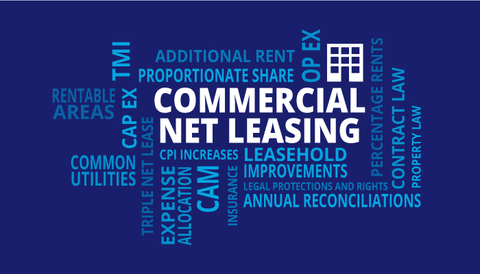
A triple-net lease, commonly abbreviated NNN, generally requires the tenant to pay base rent plus specified property taxes, insurance, and maintenance expenses.
The precise allocation should always be determined from the actual lease language.
Base Rent and Additional Charges
Commercial lease payments can involve more than the stated base rent.
Additional amounts may include:
Property operating expenses
Common-area expenses
Property taxes
Insurance
Utilities
Maintenance charges
Management expenses
Parking charges
Other contractually defined amounts
Tenants should examine how these amounts are calculated, adjusted, documented, and reconciled.
Lease Term and Renewal Options
The lease term establishes the period during which the tenant has contractual occupancy rights.
Renewal provisions may give the tenant an opportunity to extend the arrangement under specified conditions.
Important renewal questions include:
How much notice is required?
Is renewal automatic or elective?
How is future rent determined?
Are renewal periods already specified?
Are additional conditions required?
Can the landlord refuse renewal under defined circumstances?
Renewal provisions can become particularly important for businesses that depend on a specific location.
Tenant Responsibilities
Tenant responsibilities depend on the contract and property type.
Common obligations may include:
Paying rent and specified charges
Maintaining the leased space
Following building rules
Maintaining appropriate insurance
Obtaining required permits
Keeping the premises in appropriate condition
Complying with permitted-use restrictions
Following safety requirements
Reporting property damage
Complying with applicable laws
The agreement should clearly distinguish tenant responsibilities from landlord responsibilities.
Landlord Responsibilities
Commercial leases may also establish obligations for the property owner.
Depending on the agreement, these may include:
Maintaining structural components
Maintaining common areas
Managing building systems
Addressing specified repairs
Providing agreed building access
Maintaining certain insurance
Handling property-level obligations
The exact allocation varies by lease structure and property.
Maintenance and Repairs
Maintenance provisions can have a significant effect on a tenant's ongoing expenses.
A lease may specify responsibility for:
HVAC systems
Plumbing
Electrical systems
Roof
Structural components
Doors and windows
Parking areas
Landscaping
Common areas
Interior finishes
Some agreements distinguish between routine maintenance, major repairs, and replacement of building systems.
Tenant Improvements
Businesses may need to modify leased premises to accommodate their operations.
Tenant improvements can include:
Interior partitions
Lighting
Flooring
Office layouts
Specialized equipment
Electrical modifications
Plumbing changes
Accessibility improvements
Signage
The lease should address who is responsible for approving, funding, constructing, and maintaining improvements.
It may also establish requirements concerning contractors, permits, building standards, restoration, and ownership of installed improvements.
Permitted Use and Property Restrictions
The permitted-use clause defines how the tenant may use the premises.
A lease might limit activities based on:
Business type
Zoning
Building rules
Environmental requirements
Safety considerations
Operating hours
Noise
Hazardous materials
Customer traffic
Equipment use
Using property outside the permitted scope can create contractual or regulatory issues.
Assignment and Subleasing
Businesses sometimes need to transfer their lease rights or allow another party to occupy part of the premises.
The agreement may address:
Assignment
Subleasing
Change of ownership
Corporate restructuring
Sale of the business
Landlord approval
Continuing tenant liability
Assignment provisions can become important during acquisitions, reorganizations, or business transitions.
Security Deposits and Guarantees
Commercial leases may require a security deposit or another form of financial assurance.
Depending on the agreement, this may involve:
Cash security
Letter of credit
Personal guarantee
Corporate guarantee
Other contractual security arrangements
The lease should specify the amount, permitted use, release conditions, and return procedures.
Insurance Requirements
Commercial leases frequently contain insurance provisions.
Depending on the property and activity, the tenant may need coverage relating to:
General liability
Property
Workers compensation
Business interruption
Equipment
Automobile liability
Other risks
The lease may establish minimum limits, additional-insured requirements, certificates, and notification procedures.
Insurance requirements should be reviewed against the actual business activities and applicable law.
Lease Default and Termination
A commercial lease normally explains what constitutes a default and what happens after a default.
Potential issues may include:
Missed rent payments
Unauthorized property use
Failure to maintain required insurance
Unauthorized alterations
Insolvency
Breach of other material obligations
The agreement may establish notice and cure periods before certain remedies become available.
Termination provisions can also address expiration, early termination rights, casualty, condemnation, or other specified circumstances.
Property Damage and Casualty
Leased property can be affected by fire, flooding, severe weather, equipment failure, or other events.
Lease provisions may address:
Responsibility for repairs
Insurance proceeds
Temporary closure
Rent obligations
Restoration periods
Termination rights
Business interruption considerations
Tenants should understand how the lease coordinates property damage with insurance and restoration obligations.
Commercial Lease and Business Planning
Lease decisions can affect broader business planning.
Companies may consider:
Expected occupancy needs
Employee growth
Customer access
Transportation requirements
Storage requirements
Technology infrastructure
Expansion opportunities
Long-term location strategy
Operating expenses
Business continuity
A property that meets current requirements may not necessarily accommodate future operational needs.
Recent Developments
Commercial leasing continues to be influenced by changes in workplace arrangements, hybrid operations, e-commerce, logistics requirements, property technology, and changing regulatory expectations.
Businesses may increasingly examine:
Flexible occupancy arrangements
Technology infrastructure
Energy efficiency
Building security
Sustainability requirements
Accessibility
Data and communications infrastructure
Expansion and contraction rights
Lease negotiations may therefore involve operational issues beyond traditional rent and occupancy provisions.
Laws, Policies, and Legal Considerations
Commercial leases are governed primarily by applicable state and local law, together with the terms of the contract.
Relevant areas can include:
Contract law
Property law
Zoning requirements
Building codes
Fire-safety requirements
Accessibility requirements
Environmental regulations
Insurance requirements
Employment and workplace rules
Tax requirements
The applicable rules depend on the property location, building type, tenant activities, and transaction structure.
A commercial lease should not be evaluated solely by comparing the stated rent. Legal obligations, expense allocations, renewal rights, repair responsibilities, and termination provisions can materially affect the overall arrangement.
Commercial Lease Planning Checklist
Before signing or modifying a commercial lease, businesses can review:
Confirm the exact premises covered by the agreement
Review the lease term
Identify renewal options
Review base rent and escalation provisions
Identify additional charges
Understand expense-sharing provisions
Review property-tax responsibilities
Review insurance requirements
Confirm permitted use
Review maintenance and repair obligations
Examine tenant-improvement provisions
Review assignment and subleasing restrictions
Examine security requirements
Review default and cure provisions
Understand termination rights
Review casualty and restoration provisions
Confirm signage and building-access rules
Coordinate the lease with business plans
Have qualified professionals review material provisions
Tools and Resources
Useful resources for commercial lease planning include:
Lease agreement: The primary document establishing landlord and tenant obligations.
Property records: Can provide information about the premises and property characteristics.
Operating expense statements: Help review recurring property-related charges.
Insurance documentation: Helps confirm coverage requirements.
Property plans: Can help identify leased areas, improvements, and building systems.
Zoning records: Help determine permitted property uses.
Building and fire-safety requirements: Help identify applicable facility obligations.
Financial projections: Help evaluate how lease obligations fit into broader business planning.
Qualified legal and real estate professionals: Can review contract provisions and property-specific considerations.
FAQs
What is a commercial lease?
A commercial lease is a contract that establishes a business tenant's right to occupy and use commercial property under specified terms and conditions.
What are common commercial lease types?
Common structures include gross leases, modified gross leases, net leases, and triple-net leases. The exact allocation of rent and property expenses depends on the contract.
What should a tenant review before signing a commercial lease?
A tenant should review rent, additional charges, lease duration, renewal rights, permitted use, maintenance obligations, insurance, improvements, transfer restrictions, default provisions, and termination rights.
Who is responsible for repairs in a commercial lease?
Responsibility depends on the lease. Some agreements allocate structural repairs to the landlord while assigning interior maintenance or equipment responsibilities to the tenant. The contract should be reviewed carefully.
Can a commercial lease be assigned to another business?
Possibly. Many leases contain assignment or subleasing provisions that establish whether landlord approval is required and what conditions apply.
Conclusion
A commercial lease establishes much more than the amount a business pays for a property. It can define occupancy rights, tenant responsibilities, maintenance obligations, insurance requirements, property use, renewal options, transfer rights, and procedures for handling disputes or unexpected events.
Businesses should review the complete agreement and consider how its provisions interact with property requirements, financial planning, operations, insurance, and applicable laws.
Because commercial lease obligations vary by property and jurisdiction, significant leasing decisions should be reviewed using current information and appropriately qualified legal and real estate guidance.

Related Post...

Property Due Diligence Guide: Title Records, Financial Review, Risk Factors, and Real Estate Insights
Updated: September 24, 2026
Read More
Estate Planning Basics Guide: Legal Documents, Asset Protection, Family Insights, and Practical Tips
Updated: September 23, 2026
Read More