Commercial Risk Planning Guide: Business Exposure, Risk Controls, Insurance Factors, and Management Insights
Commercial risk planning is the structured process of identifying potential threats to a business, evaluating their potential impact, and establishing appropriate controls and response strategies.
Business risks can arise from operations, finances, contracts, technology, employees, customers, suppliers, property, regulatory requirements, and unexpected events.
A structured risk-planning approach can help management understand which exposures could have the greatest effect on business continuity, financial performance, and long-term objectives.
Why Commercial Risk Planning Matters
Businesses operate in environments where multiple risks can occur simultaneously.
Commercial risk planning may address:
Financial exposure
Property risks
Operational disruption
Contractual obligations
Cybersecurity
Data privacy
Employee-related risks
Customer-related risks
Supplier dependencies
Regulatory requirements
Insurance considerations
Business continuity
Reputation risks
The objective is not to eliminate every possible risk. Instead, management can prioritize important exposures and determine how they should be monitored, controlled, transferred, or accepted.
What Is Commercial Risk?
Commercial risk refers broadly to uncertainty that could affect a company's financial position, operations, obligations, assets, customers, or strategic objectives.
Risk can result from:
Internal business decisions
External market conditions
Third-party relationships
Legal obligations
Technology failures
Economic changes
Physical events
Human error
Regulatory developments
The significance of a risk depends on both its potential impact and the likelihood of occurrence.
Major Types of Commercial Risk
Financial Risk
Financial risks can include:
Cash-flow pressure
Customer payment delays
Debt obligations
Interest-rate changes
Credit exposure
Revenue concentration
Foreign-exchange exposure
Financial risk analysis can help management understand how changes in revenue, expenses, financing, or customer behavior could affect liquidity.
Operational Risk
Operational risks can arise from failures or disruptions involving:
Business processes
Equipment
Facilities
Employees
Technology
Suppliers
Logistics
Quality controls
Operational risk planning can include preventive controls and contingency procedures.
Contractual Risk
Commercial agreements can create financial and legal obligations.
Businesses may review:
Payment terms
Liability provisions
Indemnification
Warranties
Termination rights
Renewal provisions
Service-level obligations
Confidentiality
Intellectual-property provisions
Change-of-control clauses
Contract review can help identify obligations that could create unexpected exposure.
Property Risk
Business property can include:
Buildings
Equipment
Inventory
Furniture
Technology
Vehicles
Specialized machinery
Property-related exposure can arise from events such as fire, water damage, theft, equipment failure, or other physical events.
Cybersecurity and Data Risk
Businesses increasingly depend on digital systems and stored information.
Potential exposures include:
Unauthorized access
Data breaches
Ransomware
System outages
Credential compromise
Third-party technology failures
Data loss
Cybersecurity controls can include access management, authentication, backups, monitoring, employee awareness, incident-response procedures, and appropriate technical safeguards.
Risk Identification
Risk identification establishes what could affect the organization.
Management can review risks across:
People
Processes
Technology
Facilities
Finances
Customers
Suppliers
Contracts
Regulations
Strategic initiatives
Risk registers can provide a structured way to document identified exposures.
A typical risk register may include:
| Risk | Potential Impact | Likelihood | Owner | Control | Status |
|---|---|---|---|---|---|
| Supplier disruption | Operational delays | Medium | Operations | Alternative suppliers | Monitored |
| Data breach | Financial and regulatory impact | Medium | IT | Security controls | Active |
| Customer concentration | Revenue volatility | High | Sales | Customer diversification | Monitored |
Risk Assessment
After identifying risks, organizations can evaluate their relative importance.
A basic assessment can consider:
Risk Priority = Likelihood × Potential Impact
The actual methodology can be more sophisticated depending on the organization.
Management may also consider:
Speed of impact
Duration
Financial consequences
Regulatory consequences
Reputation effects
Operational consequences
Recovery requirements
Risk Controls
Risk controls are measures intended to reduce the likelihood or consequences of identified risks.
Examples include:
Preventive controls
Designed to reduce the likelihood of an event.
Examples include:
Access restrictions
Employee training
Equipment maintenance
Approval procedures
Supplier screening
Detective controls
Designed to identify problems after they occur or as they develop.
Examples include:
Monitoring
Audits
Alerts
Reconciliation
Security logging
Corrective controls
Designed to reduce the consequences of an identified problem.
Examples include:
Incident-response procedures
Backup restoration
Business continuity plans
Corrective-action processes
Internal Controls and Management Oversight
Internal controls can help businesses protect assets, improve financial reporting, and support compliance.
Controls may include:
Segregation of duties
Approval requirements
Financial reconciliations
Access controls
Inventory controls
Expense reviews
Vendor verification
Documentation requirements
Management reporting
Controls should be periodically reviewed to determine whether they continue to address current risks.
Commercial Insurance Considerations
Insurance can be one component of a broader risk-management strategy.
Depending on the business, relevant coverage categories may include:
Commercial property insurance
General liability insurance
Professional liability insurance
Commercial auto insurance
Workers' compensation insurance
Cyber insurance
Business interruption coverage
Equipment-related coverage
Directors and officers coverage
The appropriate insurance structure depends on the company's activities, assets, contracts, employees, jurisdiction, and risk profile.
Insurance should not be treated as a replacement for appropriate operational controls.
Insurance Policy Review
Businesses can periodically review:
Coverage limits
Deductibles
Exclusions
Policy definitions
Covered causes of loss
Business interruption provisions
Additional insured requirements
Contractual insurance obligations
Renewal dates
Documentation requirements
Policy language can determine whether a particular event falls within coverage, so businesses should review the actual policy rather than relying solely on general descriptions.
Business Continuity and Recovery
Risk planning should include consideration of what happens if a major disruption occurs.
A continuity plan can address:
Critical business functions
Backup locations
Remote-work arrangements
Emergency contacts
Technology recovery
Data backups
Supplier alternatives
Customer communication
Financial continuity
Emergency decision-making
A basic recovery sequence can be:
Prepare → Respond → Recover → Review
After a disruption, organizations can evaluate what worked, what failed, and what controls should be improved.
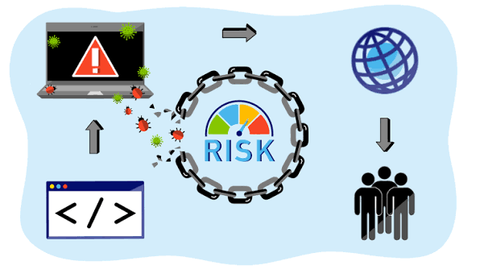
Third-Party Risk
Suppliers, technology providers, contractors, logistics providers, and other third parties can create additional exposure.
Organizations may evaluate:
Financial stability
Cybersecurity
Data handling
Business continuity
Contract terms
Geographic concentration
Operational dependencies
Regulatory compliance
Insurance requirements
Critical third parties may require more frequent monitoring than lower-risk relationships.
Regulatory and Compliance Risk
Regulatory requirements can change as laws, standards, and enforcement practices develop.
Businesses can establish processes for:
Regulatory monitoring
Policy updates
Compliance training
Recordkeeping
Internal reviews
Incident reporting
Management escalation
Requirements can differ substantially by industry and jurisdiction.
Risk Governance
Management should establish clear responsibility for important risk decisions.
Governance structures may include:
Board oversight
Executive risk committees
Compliance teams
Internal audit
Finance teams
IT security teams
Operations management
Legal review
The appropriate structure depends on company size, industry, complexity, and regulatory environment.
Risk Monitoring and Reporting
Risk management should be an ongoing process rather than a one-time assessment.
Organizations can monitor:
Key risk indicators
Insurance changes
Financial exposure
Supplier performance
Security incidents
Regulatory developments
Operational disruptions
Control effectiveness
Management reports can help decision-makers identify changes in exposure and prioritize corrective actions.
Recent Developments
Commercial risk planning increasingly incorporates:
Cybersecurity threats
Artificial intelligence
Supply-chain disruptions
Digital dependency
Data privacy
Remote work
Climate-related physical risks
Regulatory change
Third-party technology
Business continuity
AI and automated analytics can support risk identification and monitoring, but automated outputs should be reviewed for data quality, context, and potential errors.
Commercial Risk Planning Checklist
Businesses reviewing their risk-management framework can consider:
Identify major business exposures
Categorize financial and operational risks
Assess likelihood and potential impact
Assign risk owners
Document existing controls
Review internal financial controls
Review important contracts
Evaluate third-party dependencies
Review insurance policies
Check coverage limits and exclusions
Review cybersecurity controls
Maintain business continuity procedures
Monitor regulatory developments
Establish management reporting
Test important recovery procedures
Review the risk framework periodically
Tools and Resources
Useful resources for commercial risk planning include:
Risk registers
Insurance policy documents
Business continuity plans
Internal-control frameworks
Financial statements
Contract-management systems
Supplier-risk assessments
Cybersecurity assessments
Incident-response plans
Compliance calendars
Internal-audit reports
Business impact assessments
Management risk dashboards
Frequently Asked Questions
What is commercial risk planning?
Commercial risk planning is the process of identifying business exposures, evaluating their potential impact, establishing controls, and developing strategies for managing or responding to important risks.
What are common commercial business risks?
Common risks include financial exposure, operational disruption, contractual obligations, property damage, cybersecurity incidents, supplier problems, regulatory changes, and customer concentration.
How does insurance fit into business risk management?
Insurance can help transfer certain financial risks to an insurer when applicable coverage exists. It is generally one component of a broader risk-management framework rather than a replacement for internal controls.
What is a business risk register?
A risk register is a structured record of identified risks that can include their potential impact, likelihood, responsible owner, controls, mitigation actions, and current status.
How often should commercial risks be reviewed?
There is no universal schedule. Risk reviews can be conducted periodically and whenever there are significant changes to the business, operations, technology, contracts, regulations, or external environment.
Conclusion
Commercial risk planning connects business exposure analysis, internal controls, insurance considerations, compliance monitoring, business continuity, and management oversight.
A structured approach can help organizations identify important exposures, prioritize risks, strengthen controls, evaluate insurance arrangements, and prepare for potential disruptions.
Because risk requirements vary by business, industry, jurisdiction, and circumstances, organizations should use current information and appropriately qualified professional guidance when making significant risk-management or insurance decisions.

Related Post...